
CASE STUDY · ARMR
The question they dread, answered fifty times before it is ever asked.
THE PROBLEM
One question. One camera. One eight-second clip.
A year of work, forty thousand doors and the trust of everyone who believed in a candidate can be gone before they finish a sentence. The clip doesn’t care that they were tired or that the question was unfair.
Top preparation firms charge $25,000 to $75,000 a cycle and can’t be in the room when it matters. Public-speaking apps grade your “ums” and have never heard of your opponent. So most candidates walk into the most important moment of their campaign having never once rehearsed it under fire.
WHAT WE BUILT
A simulator that knows the race better than the moderator does.
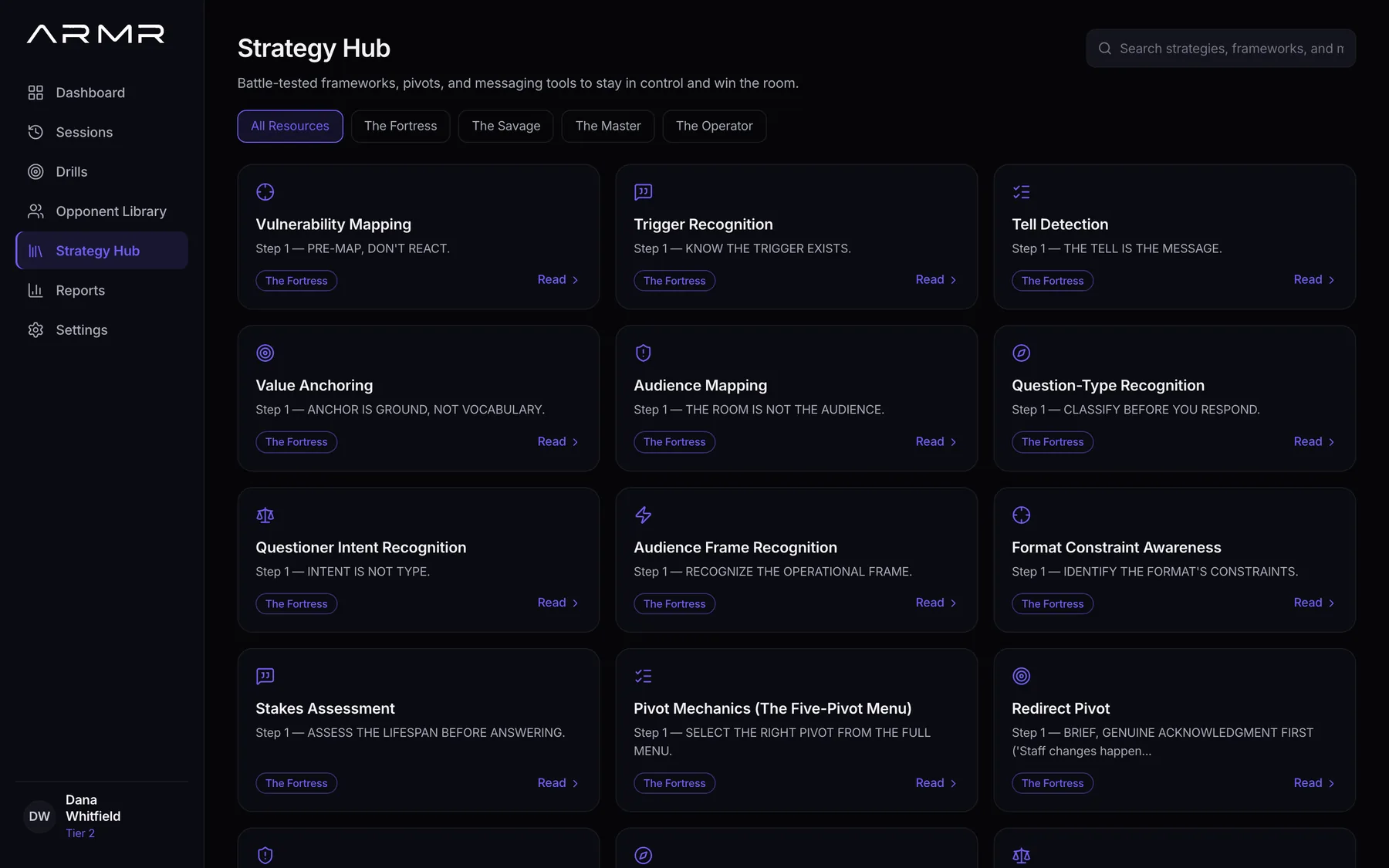
ARMR is invite-only adversarial training. Before the first drill it researches the candidate’s race: the district, the opponent’s record, the lines of attack already in play. Then it puts the candidate on the spot, out loud and on the clock, in a room called The FORGE.
- 01It builds the real opponentAn AI research pass assembles an intelligence profile of the race and turns the opponent’s actual record into the questions they will actually face.
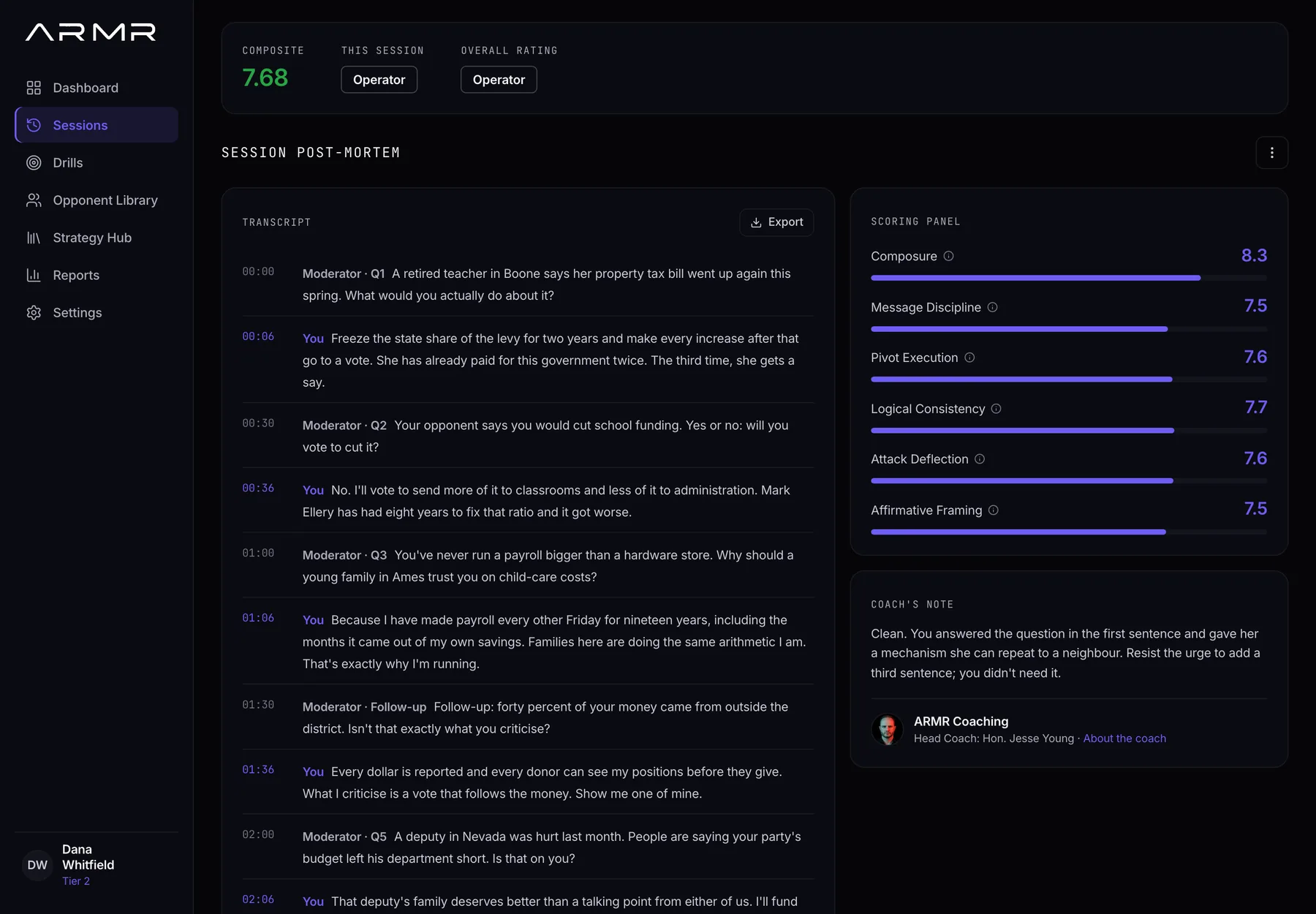
- 02The candidate answers out loudSpeech in, voice out. Questions are delivered by a cast of questioners, answers are spoken and transcribed, and the clock never stops for a second draft.
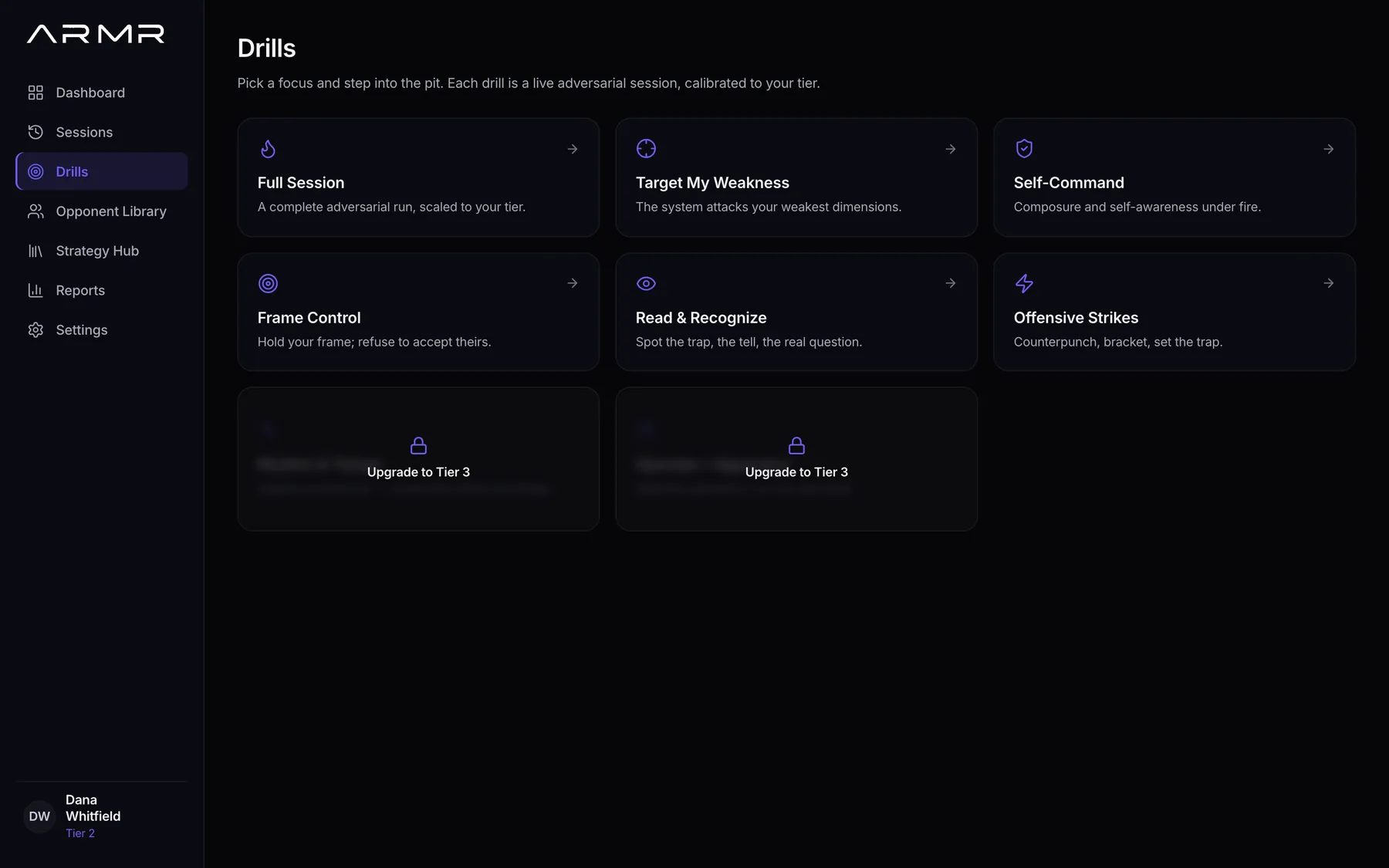
- 03Traps, follow-ups, pressureSessions escalate from warm-up to hostile. Traps fire when the candidate takes a premise they should have refused, and follow-ups arrive when an answer leaves a door open.
- 04Every answer is scored and coachedSix dimensions on every answer (composure, message discipline, pivot execution, logical consistency, attack deflection, affirmative framing), with a model answer and a coach’s note.
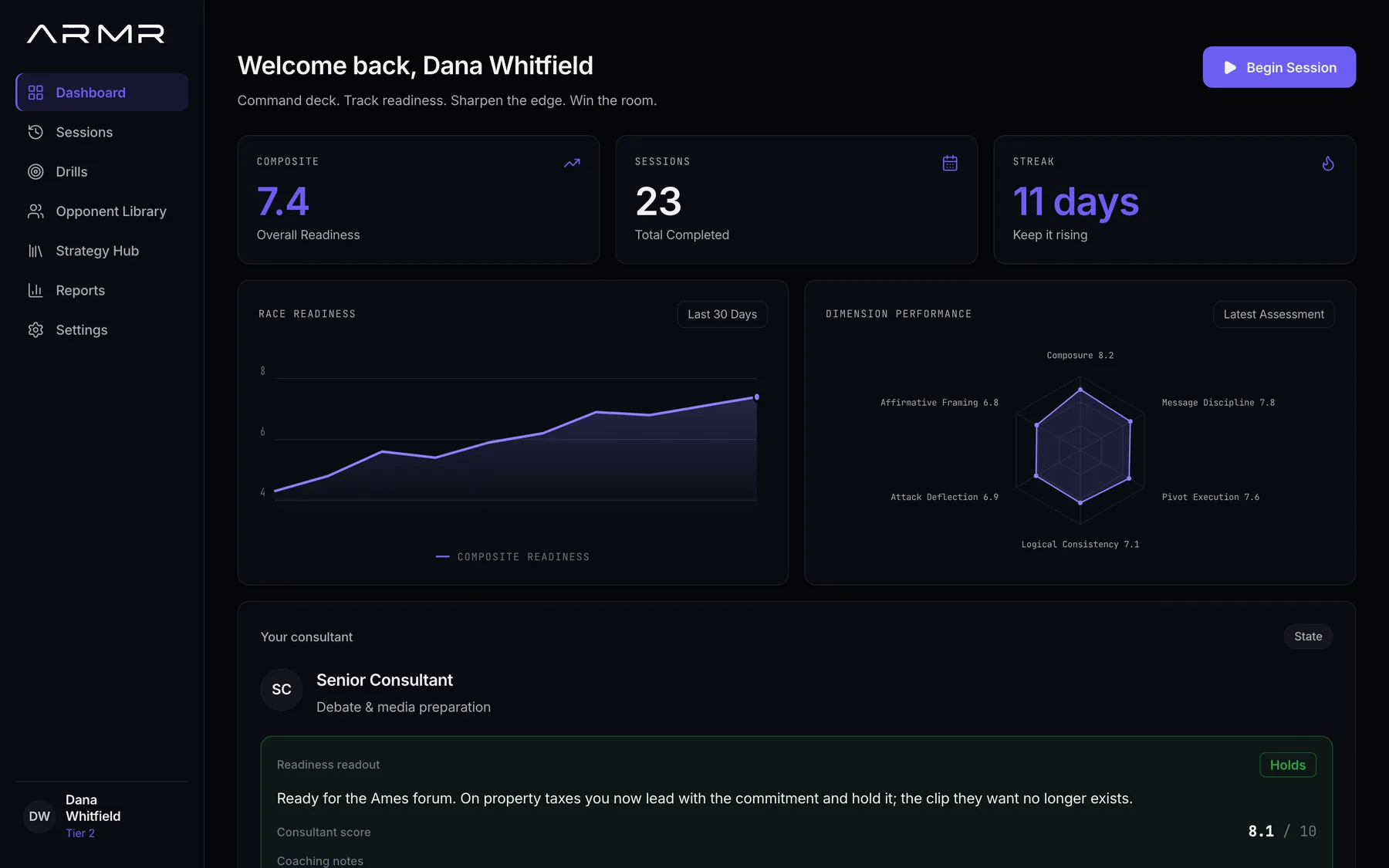
- 05A human signs offA senior consultant reviews the record and signs a readiness readout. The machine trains; a person decides when the candidate is ready.
THE ROOM


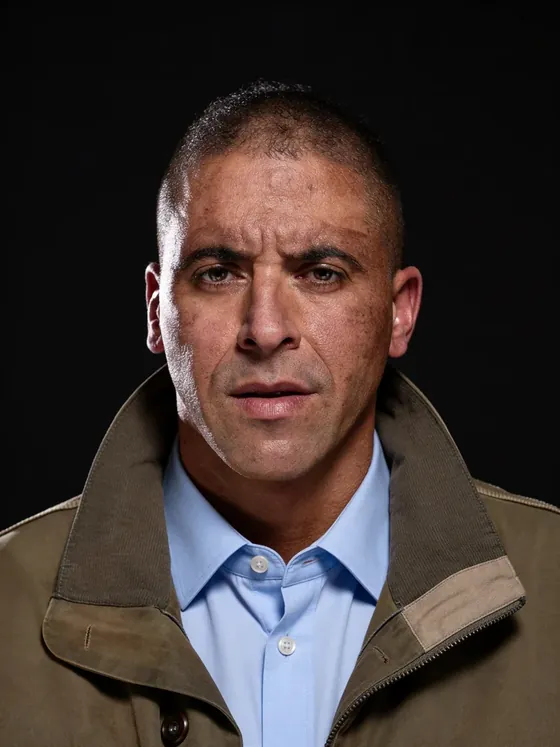


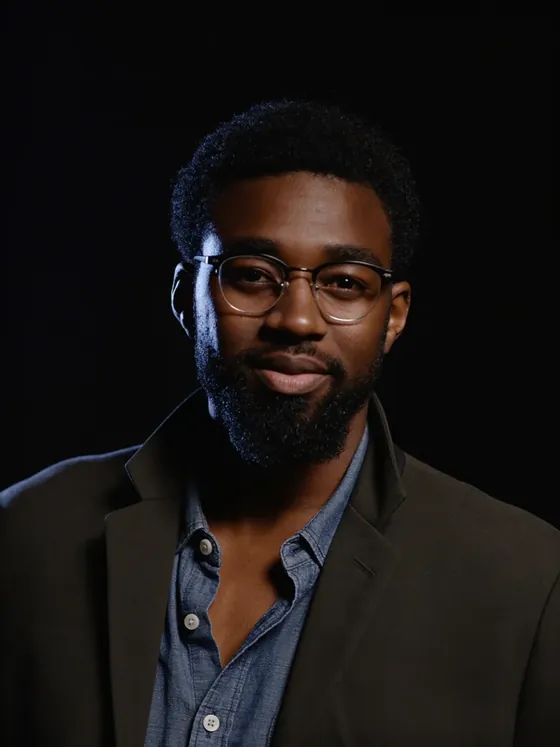
Twelve questioners: rivals, moderators, local and national press, constituents, and the incumbent herself. Questions are read aloud and answered aloud. The candidate is never typing into a text box.

The identity we built for it: one line under pressure, carried through the product, the site and every drill.
Screens are from the live product, shown with a fictional candidate and race.
NEXTEvelyn Heights: a home builder’s horror film. Next project